
Finding Edgewood Resident Records
No official all-in-one directory exists for Edgewood. The practical route is record by record. An exact address gives you the strongest start. The Maryland assessment search, the Harford parcel layer, permit files, and land records all key off an address or parcel reference. A name needs a second fact. A court number, an address, a year, or a role in a deed will do. That pairing matters. An owner, a grantor, a voter, and an occupant are not interchangeable labels. Edgewood's CDP status matters too. County offices in Bel Air and Forest Hill, along with Maryland systems, hold the records a city clerk would keep elsewhere.
Match the source to the question. Parcel and deed records can build an ownership trail. But they say nothing about present occupancy. The Maryland voter tools help one voter retrieve a registration. They can also tie an address to polling geography. Neither tool is a public household list. Older telephone and reverse directories are dated snapshots, not proof of where someone lives today. When a source will not answer, turn to its custodian, a library, an archive, or a precise Maryland Public Information Act request for a releasable record.
- Enter a complete address in the Maryland SDAT real-property search, using Harford County and the street-address method.
- Compare the premises address, mailing address, map, grid, parcel, legal description, and deed reference on the resulting parcel card.
- Use the deed reference in Maryland Land Records or with the Harford Circuit Court Clerk's Land Records Department.
- For a historic household, locate the relevant Harford telephone or criss-cross directory year, then verify the printed address with a same-period record.
- Send a focused request to the record custodian when a releasable file is not online, stating the date range, record type, address or case reference, and preferred format.
Edgewood Resident Record Custodians
Harford County forms the local custodian layer for Edgewood records. The Circuit Court Clerk holds land records. SDAT keeps the parcel assessment cards. The Board of Elections manages election records. Maryland agencies add the court portal, the vital-record route, and the archives. Treat the offices as starting points rather than a combined residents directory. For an address-by-address chain of parcel, deed, permit, and historic sources, use the Edgewood street directory.
Harford Circuit Clerk Land Records
20 W. Courtland Street
Bel Air, MD 21014
410-638-3474
SDAT Harford Assessment Office
2 S. Bond Street, Suite 400
Bel Air, MD 21014
410-836-4800
Harford County Board of Elections
133 Industry Lane
Forest Hill, MD 21050
410-638-3565
Edgewood's County Record Route
Edgewood is a Census-designated place, not an incorporated Maryland city. That jurisdictional fact changes the whole search path. There is no Edgewood mayor, municipal clerk, municipal court, or municipal resident-record portal. Land, court, assessment, probate, and permit questions all route to Harford County offices. Most of them sit in Bel Air. Statewide records go elsewhere. They land with the Maryland Judiciary, the State Department of Assessments and Taxation, the State Board of Elections, the Division of Vital Records, or the Maryland State Archives.
The distinction also prevents a common mistake. An Edgewood postal label and a planning neighborhood are different forms of geography. So are a parcel, a precinct, and the CDP. A record can belong to an Edgewood resident without sitting in an Edgewood office. The Edgewood Small Area Study describes the community's unincorporated setting. It also ties the area's growth to Aberdeen Proving Ground, which opened in 1917.
Edgewood Parcel Record Search
The Maryland SDAT Real Property Data Search is the official starting point for parcel research. Any parcel tied to an Edgewood address begins there. Pick Harford County first. Then search by Street Address, Property Account Identifier, or Map Reference. The official instructions offer no direct owner-name, town, neighborhood, subdivision, or ZIP search. An address that is old or incomplete still has options. The instructions suggest a street wildcard or a no-number listing. Then move to the account or map reference found in a related record.
A returned card can list the owner, the premises and mailing addresses, and the legal description. It also covers the map and parcel identifiers, transfer details, structure and assessment fields, and a deed reference. Read it as an assessment navigation record. It is not a title opinion or an occupancy list. Note the mailing address too. It can differ from the premises address, which marks the physical parcel location.
| SDAT control | How it is used for Edgewood |
|---|---|
| County | Required. Select Harford County before choosing a search method. |
| Street Address | Use the normalized street number and name; try permitted street variants if it fails. |
| Property Account Identifier | Use an account number supplied by a parcel card or related county record. |
| Map Reference | Use the map-based identifier when an older address does not resolve cleanly. |
Edgewood Parcel Maps and GIS
Harford County's Maps and Apps page opens the door to county mapping resources. The county's cadastral service carries street, parcel, owner, legal-description, deed, transfer, assessment, and structural fields. It can also query nearby parcels through spatial relationships. Use the map to grasp parcel geography. Then confirm deeds or assessment details with the originating custodian. A boundary line settles nothing about title, current residency, or how the people near a parcel relate to one another. The Maps and Apps page remains the source for this Edgewood mapping surface.
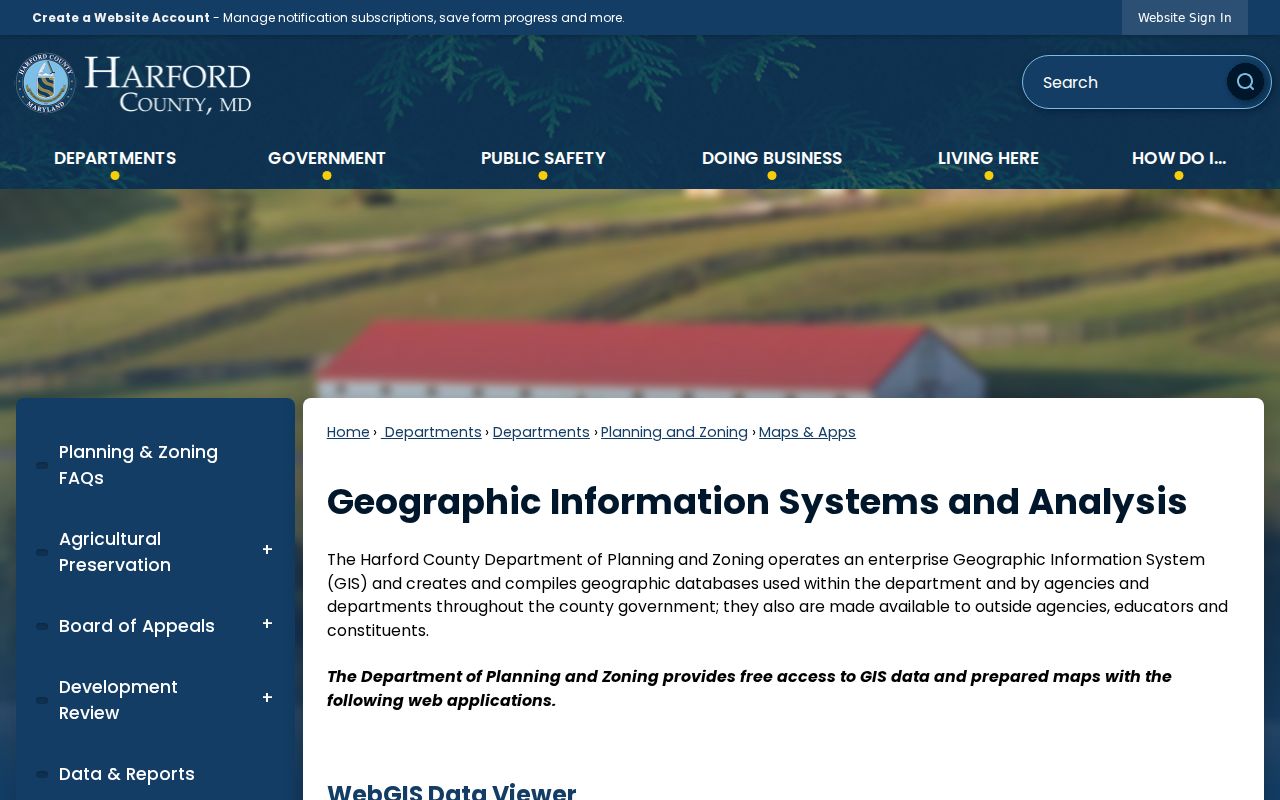
It serves as the county-level entry point. A researcher can start there before narrowing to a specific parcel or mapping layer. The Harford cadastral layer exposes the field groups and spatial capability behind an address check.
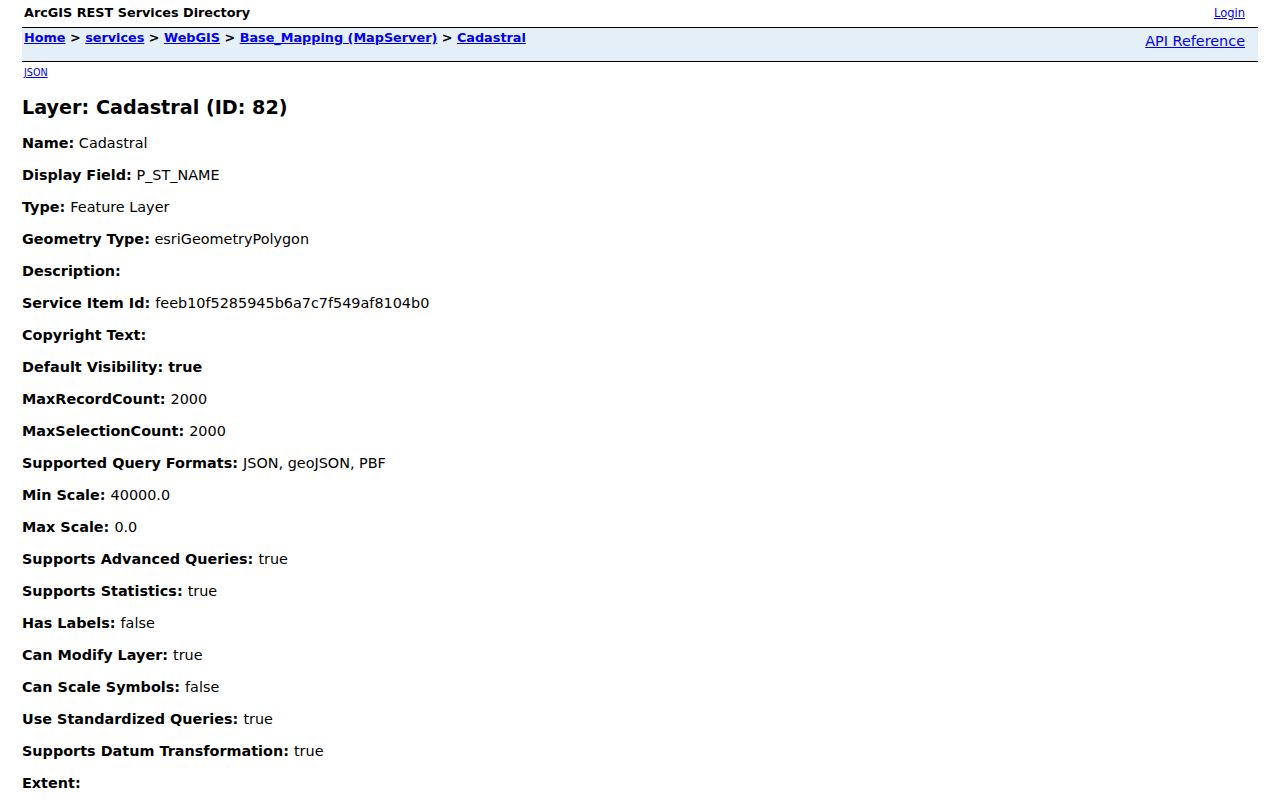
Its parcel and adjoining-parcel fields help reconcile a street number with a map, grid, parcel, and deed reference. That keeps private values out of a public workflow.
Edgewood Deed Index Trail
Deeds for the Edgewood area live with the Harford Circuit Court Clerk's Land Records Department. Maryland Land Records gives you a book and page jump straight to a recorded instrument. Older grantor and grantee work may still call for the Clerk. The Maryland State Archives series or courthouse copies can fill the gap. The landing form shows optional Clerk text beside required Book and Page fields. Treat it as a locator. It does not replace a name search. A solid deed trail works backward. Find the index entry and pull the right book or image. Then follow every prior reference the instrument names.
Harford land-record descriptions reach back to 1773. Online coverage varies by series, though, and the portal's verification date can change. For historical indices, try spelling variants. Use the liber and folio, or book and page, to step back one deed at a time. A grantor transfers an interest. A grantee receives it. Neither label alone proves who lived at the address on any given day. So the residents directory trail stays documentary rather than residential.
- Parcel
- A defined unit of land, commonly tracked by map, grid, and parcel identifiers.
- Index
- A finding tool that points to a record; it is not always the underlying document image.
- Liber and folio
- Maryland land-record book and page references used to retrieve a recorded instrument.
- Criss-cross directory
- A historical directory arranged by street address instead of by surname.
Current Edgewood Resident Sources
Each current record ties a name to Edgewood differently. A parcel card names a taxed property and its record fields. The deed index names parties to a recorded instrument. Maryland voter search lets a person retrieve their own registration, while the separate polling lookup turns an address into election geography. Courts list case parties, not a resident roster. Keep those roles distinct when testing a name against more than one official source in a resident lookup.
| Source | Who It Lists | Keeper | Access |
|---|---|---|---|
| SDAT parcel card | Owners and parcel record fields | Maryland SDAT | Public address/account/map search |
| Maryland voter tools | Registration or polling information | State Board of Elections | Identity-constrained lookup |
| Harford land index | Parties to recorded land instruments | Circuit Court Clerk | Portal, courthouse, archive routes |
| Case Search | Public case parties and docket context | Maryland Judiciary | Public portal and clerk-copy route |
| HCPL and HSHC catalogs | Historical collection leads | Library and historical society | Catalog, reference, archive access |
Sometimes the goal is one person tested across several record types rather than a single address. That is what the Edgewood resident lookup workflow does. It keeps name, address, court, vital, and election paths separate, and it asks for a second matching fact before any result counts as a hit in the residents directory.
| Source type | Strength | Boundary |
|---|---|---|
| Official custodian record | Shows a defined record role, source, and access route | Can be incomplete, dated, restricted, or limited to its statutory purpose |
| Library or archive collection | Preserves dated directories, maps, newspapers, and historical context | Catalogs and OCR are not complete proof of identity or current presence |
| Commercial people-finding category | May offer a broad starting lead | Accuracy, source, cost, and legal-use limits must be checked; use the original custodian to verify |
Edgewood Voter Lookup Limits
Maryland Voter Search asks for first name, last name, date of birth, and ZIP code. Middle initial, street number, former name, or prior ZIP are optional. The service exists for a voter record. It also covers a duplicate card, a polling place, districts, local board, status, and related election information. It is not a bulk resident directory. An address-only check goes through the polling-place service instead. That service wants street number, street name, and ZIP. It returns polling and district geography, not a person. The state voter form is the source for this Edgewood residents directory election lookup.
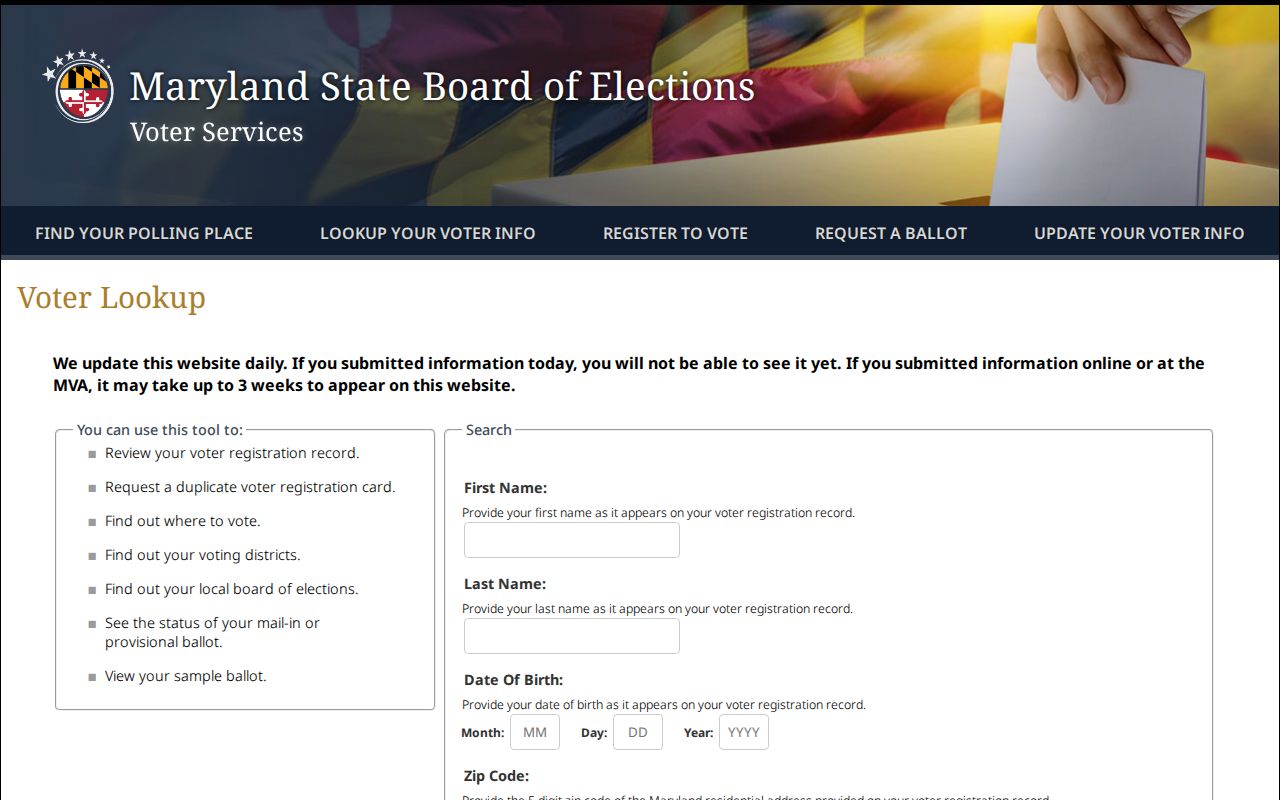
Those required identity fields show something clear. A public voter check is not an open name list. Harford voter-file extracts take a different, qualified request path. The county form spells out an oath, purpose restrictions, and fees. It also covers formats such as a precinct-and-street walking list. Maryland Safe at Home and voter confidentiality protections can suppress eligible address information.
Edgewood Record Request Fallback
The Maryland Public Information Act, General Provisions Article §§4-101 through 4-601, is the fallback when a releasable county or state record exists. No portal exposes it in that case. Name the custodian. Describe an existing file by date range, address, parcel, case, or document type. The law does not force an agency to create an answer. It also never overrides a separate restriction on vital, voter, juvenile, sealed, or confidential records.
Timing rules matter too. Under §4-202, an agency that is not the custodian should notify or redirect the requester within 10 working days. §4-203 generally calls for production within 30 days, subject to exemptions and notice. §4-206 makes the first two hours of search or preparation free. Record-specific charges can still apply.
Edgewood Address Privacy Boundaries
Availability depends on the source. Maryland Safe at Home helps eligible survivors of domestic violence, human trafficking, sexual assault, stalking, and harassment. It gives them a substitute legal address. Other limits cover birth records under 100 years, death records under 10 years, restricted court matters, sealed or expunged files, confidential voter records, and motor-vehicle information. Some law-enforcement records are limited too. A missing result may trace to spelling, timing, jurisdiction, coverage, or confidentiality. It is not a conclusion about a person.
Use official records for personal, historical, civic, or records research. Maryland's anti-stalking law sits at Criminal Law §3-803. Never use an address, name, map, or archive result to alarm anyone. Never use one to harass, threaten, or monitor anyone. Errors belong with the source custodian: SDAT for a parcel card, the elections board for voter data, and the court clerk for court records. The relevant record office handles a request response.
Historical Edgewood Directory Records
Most old directory records for Edgewood are county and regional. No standalone city-directory run covers the community. The Library of Congress holds a Harford County white and yellow pages reel. It is dated September 1960 through September 1962. Its locality index names Edgewood directly. Each printed entry carries a name or organization. It adds a telephone number and a street or locality line. The result is a tidy household snapshot. The Library of Congress also catalogs Harford County criss-cross and reverse directories. They run from 1966 through 1996. Those volumes let you search by street or phone. Full methods for working these shelves sit on the Edgewood city directory page.
A dated listing proves only what one volume printed. It cannot establish a current household anywhere. Save the directory title, locality label, year, and image page. Then test the address against a same-year newspaper, deed, plat, map, or archive source. Harford County Public Library, the Harford Historical Society and County History Center, the Maryland State Archives, and the Library of Congress all differ. Each offers its own catalog, reading-room, scan, and research-by-mail paths.
Edgewood Library History Sources
Edgewood's library has its own recordkeeping story. Before 1962, Harford County Public Library ran a weekly bookmobile stop at Hanson Road and Tupelo. The First District Civic League wanted a permanent branch. It petitioned, and the county authorized architects Alex Shaw and Lawrence Ewald to design one. The HCPL Edgewood Branch history page today places the branch at 629 Edgewood Road, while the Maryland Room in Bel Air holds the principal local and Maryland genealogy reference collection.
Search the Harford Heritage Digital Archives and the Harford Historical Society catalog by collection type, not only by surname. HSHC catalogs court, cemetery, marriage, obituary, map, tax, and vertical-file leads. Its online data remain a work in progress. Research by mail costs $30 prepaid for a basic search of up to one hour and 10 photocopies. One-document and cemetery searches run $10. Cemetery work carries a stated two-to-four-week turnaround. Check fees and access terms before ordering.